كنيسة قلب يسوع - قرنة الحمرا
بُنيت الكنيسة سنة ١٩٠٠ على طرازٍ هندسيّ بازيليكيّ بسوقٍ وحنية واحدة، هندسها الرهبان اليسوعيّون. عمل على زخرفتها ونقشها الياس فاعور من المصيطبة ورسم جداريّاتها يوسف الحويّك. سنة ١٩٢٠ إستُقدم لها المذبح الرخاميّ. زيدت القبّة في الثلاثينات. رُمّمت الكنيسة مؤخرًا وزُيّنت بالزجاجيّات.
Thé church of the Sacred Heart - Qornet el Hamra
The church was built in 1900. The architectural plan was a single naved basilica, the design was made by the Jesuits. The church was decorated by Elias Faour, the frescoes where painted by Youssef el Howeyk. In 1920 a marble high altar was set inside the church. In the 1930’s the bell tower was added. The church was recently restored and the stained glass windows where added.
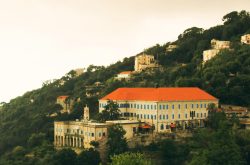
من أهم أديرة غوسطا، أسّسه المطران جرجس خيرالله أسطفان سنة 1660. وفي 14 أيلول 1698 كرّس كنيسة الدير البطريرك أسطفان الدويهي. في العام 1789 وقّع خلفه البطريرك يوسف أسطفان صك تحويل الدير الى مدرسة اكليريكيّة. وافتُتحت مدرسة عين ورقة سنة 1797-1798 على عهد البطريرك يوسف التيّان على قوانين وبرامج المدرسة المارونيّة في روما. ولم تلبث أن ضاهت جامعات أوروبا، فكانت أول جامعة في الشرق، حتى لقّبها مارون عبود بـ"سوربون الشرق"، حيث كانت تدرّس فيها خمس لغات الى جانب العلوم اللاهوتيّة والفلسفيّة. وقد قيل على سبيل المزاح أنّ "دجاجات عين ورقة تتكلم خمس لغات". خرّجت المدرسة أربعة بطاركة وعشرون مطرانًا، وعنها نشأت المدارس الأخرى التي انتشرت في البلاد، وخرّجت روّاد النهضة العربيّة في القرن التاسع عشر. هي اليوم ميتم بعهدة راهبات القربان الأقدس المارونيّات. The monastery of Ain Warqa Located in Ghosta Keserwan, it was built by Bishop Gerges Khairallah Estefan in 1660. The grand church was dedicated by Patriarch Stephen Doueihi on the 14th of September year 1698. During the pontificate of Patriarch Joseph Estephan, the monastery was transformed into a seminary in 1789. The first scholastic year was in 1797-1798 during the pontificate of Patriarch Joseph Tyan, according to the curriculum of the Maronite Grand Seminary in Rome. The reputation of the school was so great that it competed with the grand seminaries of Europe, and ranked first in the Middle East. The seminary was even called by the great author Maroun Abboud “the Sorbone of the East”. The curriculum included five languages, along with theological, philosophical, and scientific studies.The most important alumnus where four patriarchs and twenty bishops, and a great numer of notable writers and scientists that were the pioneers of the Arabic renaissance during the nineteenth century. The school was also named the mother of all schools in Syria and Lebanon. Today it is used as a foster home in the custody of the Maronite sisters of the Most Blessed Sacrament.
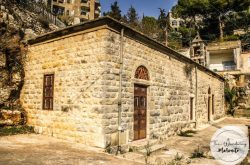
بُنيت الكنيسة بعد قدوم آل الكك الى دير القمر وتركهم بلدة دميت، وأُكمل البناء سنة ١٦٨٤. الكنيسة وقف لآل الكك، رُمّمت ووُسّعت على عدّة مراحل. تتميّز الكنيسة بمذبح مار أنطونيوس الكبير وهو ذكر من كنيسة دميت الأثريّة، وأيقونة مار جرجس الشهيد.
St. George’s church - Deir el Qamar
The church was built by the Kek family after they came to Deir el Qamar from Dmit, and completed in 1684. It is a private family chapel restored on many occasions. The church holds a side altar of St. Anthony the Great, reminiscent of the historic church in Dmit, and a local icon of St George.
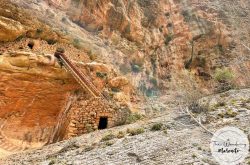
The hermitage of St Simeon the stylite in Wadi al-Bouwayli'e - 'Abeydat
The monastery is a hollowed-out cavity in the rock, containing frescoes dating back to the XIIth century. Among these wall paintings is the depiction of the deisis, as well as Syriac inscriptions, of which only a few remain due to natural factors and human ignorance. Access to the monastery's chambers is achieved through newly installed wooden and iron ladders. Adjacent to the Mar Simeon monastery is the St Moura's Church, which is a carved cave in the rock. According to experts, the wall paintings in 'Abeydat belong to the same artist who painted the wall paintings in the Mar Tadros Church in Behadidat. La Ermita de San Simeón el estilita en Wadi al-Bouwayli'e - 'Abeydat El monasterio es una cavidad excavada en la roca, que contiene frescos que datan del siglo XII. Entre estas pinturas murales se encuentra la representación de la deisis, así como inscripciones siríacas, de las cuales, debido a factores naturales y la ignorancia humana, solo quedan unas pocas. Para acceder a las cámaras del monasterio se utilizan las escaleras de hierro y madera recién instaladas. Colindante al monasterio de San Simeon se encuentra la iglesia de San Moura, que es una cueva tallada en la roca. Según los expertos, las pinturas murales de 'Abeydat pertenecen al mismo artista que pintó las pinturas murales de la iglesia de San Tadros en Behadidat.




Reviews are disabled, but trackbacks and pingbacks are open.